
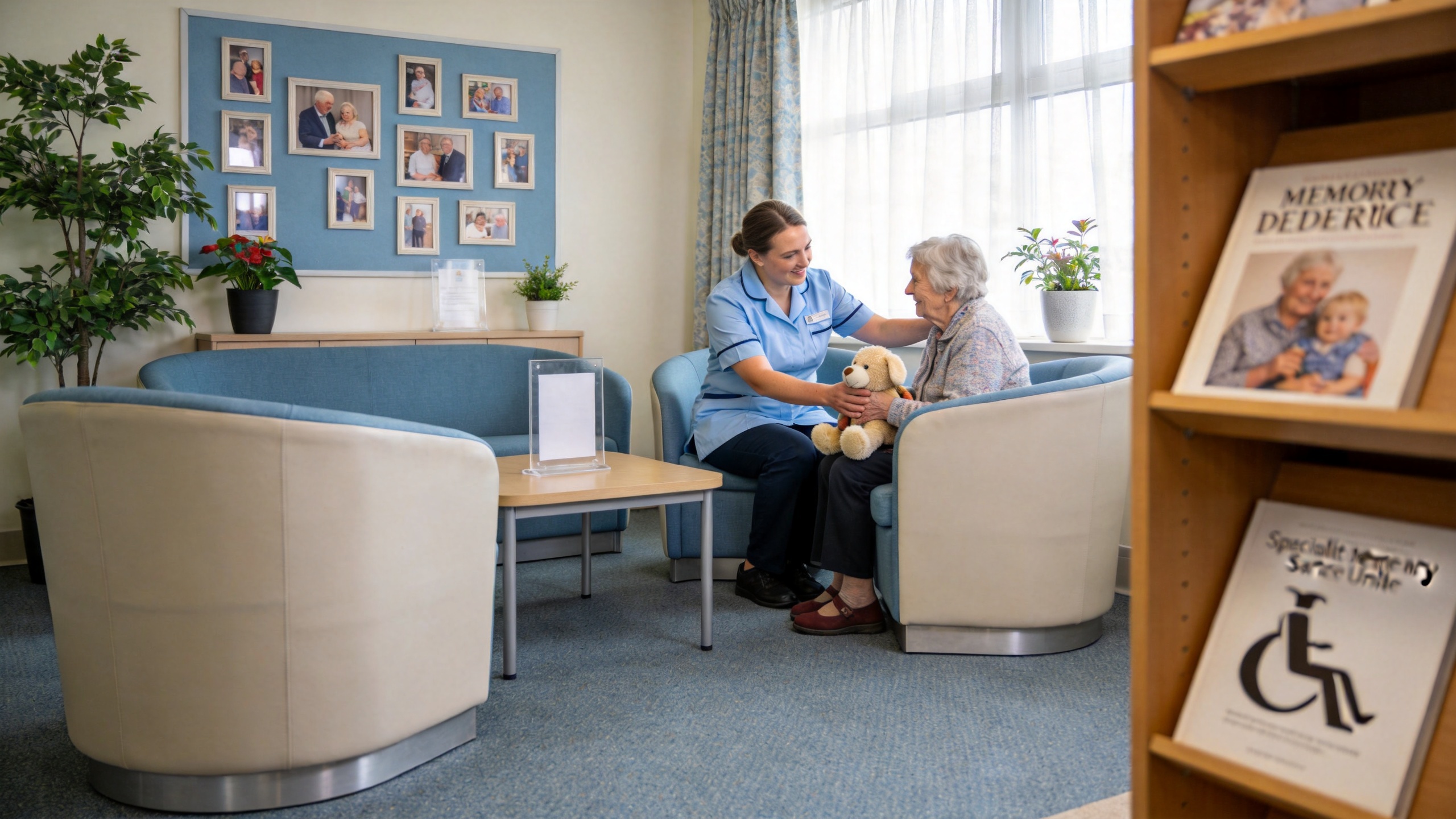
Finding the right environment for a loved one living with cognitive decline is a significant undertaking that requires careful consideration of both medical needs and emotional well-being. This guide explores the essential criteria for identifying high-quality nursing homes with dementia care units that provide specialized support within a CQC-regulated framework.
The short list: Notable specialist environments
When beginning your search, it is helpful to look at established providers that have dedicated resources for memory support. These facilities are designed to balance clinical safety with the freedom required for those living with dementia. For those prioritizing high standards of care, the following locations are frequently highlighted for their specific approaches to dementia-friendly design and staffing:
- Belong Warrington: Known for its village-style layout, which encourages independence while maintaining high-level support.
- Whittle Hall Care Residence: Offers a modern approach to residential and nursing care with a focus on community integration.
- Hampton Lodge: Provides a structured, supportive environment tailored to individual cognitive needs.
- Kents Hill Care Home: Recognized for its focus on person-centered care pathways.
Neighbourhood guide: Understanding local access
The location of a care home often dictates the quality of life for the resident, particularly regarding family visits and familiarity with the local area. When you are looking for nursing homes with dementia care units, consider the proximity to your own home and the ease of transport for other family members. A familiar neighbourhood can provide a sense of continuity, but the facility itself must be equipped to handle the specific needs of dementia patients, such as secure garden areas and sensory-friendly interiors.
For those in specific regions, consider these options:
- Grappenhall Manor Care Home provides a localized approach for families in the Cheshire area.
- Hatfield Peverel Care Home offers specialized support in Essex, focusing on community-based activities.
- Abberton Manor Nursing Home is well-regarded for its historic setting and professional nursing team.
Picks by occasion: Selecting for care level
Not all dementia care is identical; the "occasion" or stage of the condition often dictates the type of facility required. Early-stage dementia may only require residential support, whereas advanced dementia often necessitates the clinical oversight found in nursing homes with dementia care units.
- For high-acuity nursing needs: Facilities like Trentside Manor or The Mill House are equipped to handle complex medical requirements alongside cognitive support.
- For residential comfort with dementia specialism: Green Park Care Home and Lakeview Lodge Care Home provide environments that prioritize social engagement and routine.
- For long-term stability: Somerset House Care Home offers a consistent environment that helps reduce anxiety for residents who struggle with change.
Know before you go: Assessing the environment
Before scheduling a visit, you should understand the distinction between a standard care home and one with a dedicated dementia unit. A true specialist unit isn't just about locked doors; it is about the "dementia-friendly" architecture. During your tour, look for clear signage, high-contrast flooring, and lighting that minimizes shadows, which can cause distress to those with visual-perceptual difficulties.
When evaluating nursing homes with dementia care units, pay close attention to these factors:
- Staff-to-resident ratios: Are there enough staff to provide one-to-one interaction, or is the focus purely on task-oriented care?
- Dementia training: Ask specifically if the entire staff—including housekeeping and kitchen teams—has received dementia-specific training, not just the nursing staff.
- Activity programming: Look for evidence of "meaningful occupation" tailored to different stages of dementia, such as music therapy, reminiscence rooms, or gardening clubs.
The importance of CQC-regulated oversight
The Care Quality Commission (CQC) is the independent regulator of health and social care in England. When searching for nursing homes with dementia care units, you must verify their current rating. A "Good" or "Outstanding" rating is a positive indicator, but you should read the detailed inspection report to see how they specifically handle dementia care.
- Look for reports that mention "Responsive" and "Well-led": These two domains are critical in dementia care, as they reflect how well the home adapts to changing needs and how effectively the leadership manages staff turnover and training.
- Check for recent updates: A report from three years ago may not reflect current management or staffing levels. Always look for the most recent inspection date.
Designing for dementia: Beyond the bricks and mortar
The physical environment of a care home is a therapeutic tool. In high-quality nursing homes with dementia care units, design choices are made to reduce agitation and confusion. This includes the use of "wayfinding" cues—such as memory boxes outside bedroom doors containing personal items like photos or mementos—which help residents identify their own space.
- Lighting and contrast: Avoid shiny surfaces that can be mistaken for water or ice.
- Secure outdoor spaces: Access to a garden is vital for physical health and reducing the "sundowning" effect (increased confusion in the late afternoon).
- Quiet zones: Ensure there are areas where a resident can retreat from noise and overstimulation.
Staffing and the "Person-Centered" approach
The most important factor in any dementia unit is the culture of care. Person-centered care means the staff knows the resident’s life history, preferences, and triggers. In effective nursing homes with dementia care units, you should see staff engaging with residents as individuals rather than just as patients.
- Ask about the "Key Worker" system: This ensures your loved one has a specific staff member who knows them best and acts as your primary point of contact.
- Observe staff interactions: Are staff members kneeling to speak at eye level? Do they speak slowly and clearly? Do they give the resident time to process information before expecting a response?
Managing the transition: A step-by-step guide
Moving into a care home is a major life event. To minimize the trauma of the move, focus on making the new room feel like home before the resident arrives. This is a common practice in well-regarded facilities.
1. Bring familiar items: Include a favourite chair, familiar bedding, and plenty of photographs.
2. Coordinate with the nursing team: Provide a "This Is Me" document, which outlines the resident’s history, likes, dislikes, and daily routine.
3. Gradual introduction: If the facility allows, start with short visits or lunch sessions to help the resident become familiar with the staff and environment before the full-time move.
Clinical integration and nursing oversight
For those with advanced dementia, nursing care is often essential. Nursing homes with dementia care units provide 24-hour access to registered nurses who can manage complex conditions like diabetes, wound care, or medication administration, which might otherwise require a hospital stay.
- Medication management: Ask how the home handles medication reviews. Dementia patients often have complex medication profiles that require regular monitoring.
- GP and specialist access: Check if the home has established relationships with local GPs and specialists (such as geriatricians or psychiatrists) who can visit the home regularly.
FAQ: Common questions about specialist dementia care
How do I know if my loved one needs a nursing home or a residential home?
The main difference is the presence of registered nurses. If your loved one has significant medical needs (e.g., complex wound care, IV medication, or high-dependency physical needs), a nursing home is required. If they primarily need help with daily living activities like washing, dressing, and mobility, a residential home may suffice. Many nursing homes with dementia care units offer both, allowing for a seamless transition if care needs increase over time.
Can a person with dementia leave the care home?
This is a complex legal area involving the Mental Capacity Act and Deprivation of Liberty Safeguards (DoLS). If a resident does not have the capacity to keep themselves safe, the home may have restrictions in place to prevent them from wandering into dangerous areas. Always ask the manager how they balance safety with the resident's right to freedom and movement.
What happens if the care home's rating drops?
If a CQC inspection results in a lower rating, the home is required to create an action plan to address the deficiencies. You should be notified of any major changes in the home's status. It is advisable to review the CQC portal periodically even after your loved one has moved in to stay informed.
How do I handle the emotional aspect of moving a parent?
It is normal to feel significant guilt. Focus on the fact that you are seeking professional support that you may no longer be able to provide safely at home. Choosing a facility that encourages family involvement, like those listed in our directory, can help you maintain your connection and alleviate some of that emotional burden.
What is the difference between "dementia-friendly" and "dementia-specialist"?
"Dementia-friendly" often refers to general design principles (like signage or lighting) that can be found in many standard homes. "Dementia-specialist" implies a dedicated unit or wing with staff specifically trained in dementia care, specialized activities, and a environment designed to support cognitive decline.
Conclusion
Selecting from the various nursing homes with dementia care units requires a blend of practical research and intuitive assessment. By focusing on the CQC standards, the physical environment, and the quality of staff interaction, you can find a place that not only meets the medical needs of your loved one but also preserves their dignity and quality of life. Always prioritize visiting multiple locations to see how the atmosphere feels in practice, and consult our Understanding Dementia Care Homes: A Complete Guide for further context on the transition process. Consistent communication with the care team and a focus on person-centered care will remain your best tools in ensuring the well-being of your family member throughout their journey.