
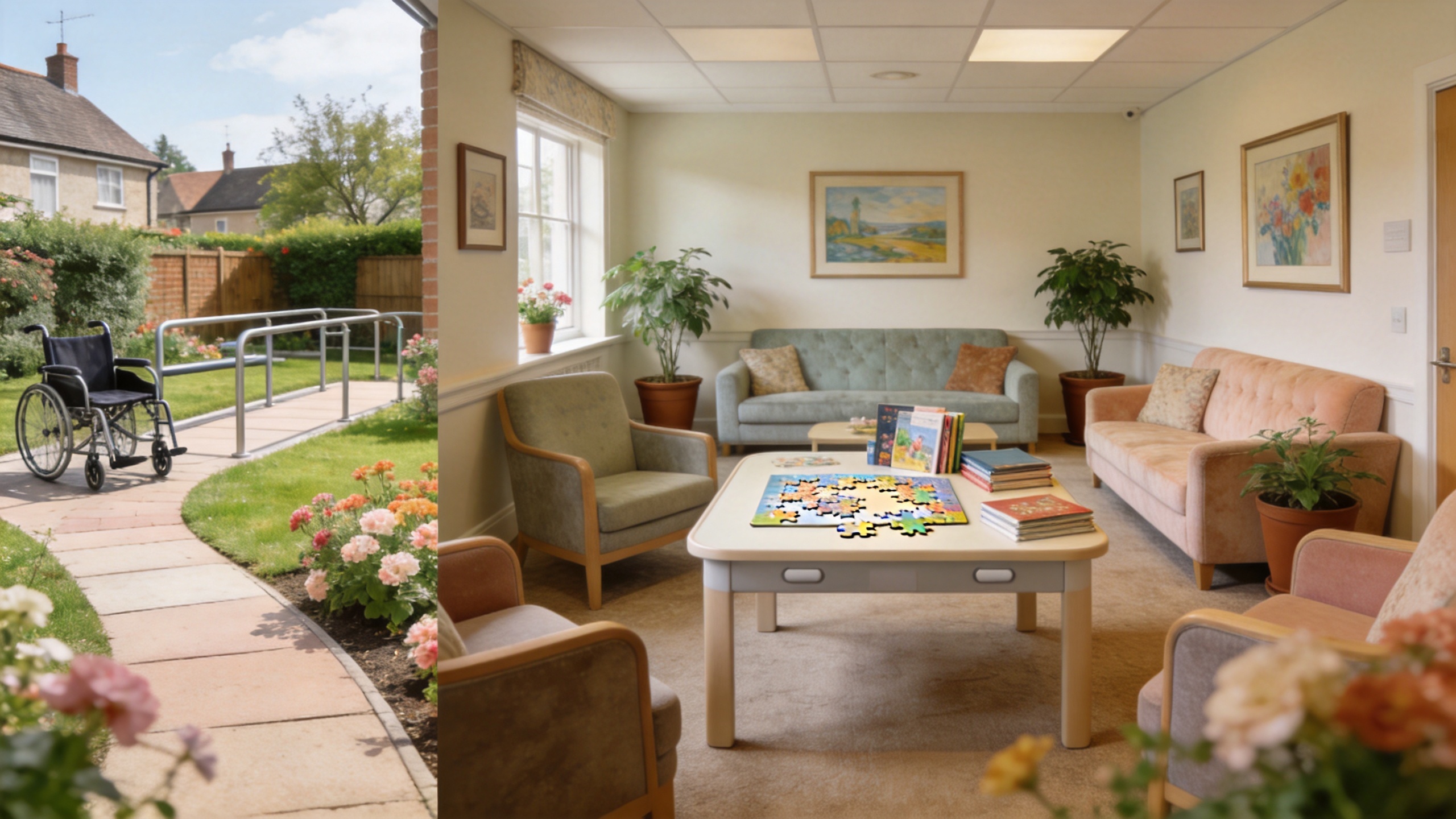
Finding the right environment for a loved one living with dementia can be a daunting process, particularly when urgency is involved. This guide provides a practical, step-by-step approach to identifying dementia care homes near me with vacancies to ensure you can secure a safe and supportive place without unnecessary delays.
Why This Matters
When a person living with dementia reaches a stage where their current living situation is no longer safe or sustainable, the search for a care home often feels like a crisis. However, the quality of care provided in a specialist setting is not just about safety; it is about maintaining dignity, promoting cognitive engagement, and managing complex health needs. Finding a vacancy quickly is important, but finding the right vacancy is paramount.
Choosing a home that is CQC-regulated ensures that the facility meets the national standards for safety, effectiveness, and leadership. Because dementia care requires specific training and environmental modifications—such as secure gardens, sensory lighting, and staff skilled in de-escalation—you cannot rely on standard residential facilities. Understanding the landscape of available beds allows you to make an informed decision rather than a reactive one.
- Timeliness: Prevents emergency hospital admissions or caregiver burnout.
- Stability: A well-matched home reduces the trauma of relocation for the resident.
- Specialism: Ensures the staff are trained in dementia-specific communication and behavioral support.
What You Will Need
Before you begin your search, organization is your greatest asset. You will need a clear picture of the resident’s current clinical needs and their financial situation to avoid wasting time on homes that are not a viable match.
Gather the following information before you start calling:
- The Care Assessment: A recent copy of the resident’s formal care needs assessment (usually provided by the local authority or an NHS professional).
- Financial Documentation: Clarity on whether the placement will be self-funded or local-authority-funded, as some homes have different admission policies for each.
- Clinical Requirements: Does the resident need 24/7 nursing care (like Abberton Manor Nursing Home), or is residential dementia care sufficient?
- Geographic Radius: Define a realistic travel distance for family members to visit, as consistent social contact is vital for dementia patients.
Step 1: Broadening Your Initial Search
When you start looking for dementia care homes near me with vacancies, do not limit yourself to the first three results on a search engine. Use specialized directories that allow you to filter by "dementia specialism" and "current vacancies."
Focus on homes that have a dedicated dementia wing or a secure unit. For example, facilities like Whittle Hall Care Residence or Kents Hill Care Home are designed with specific layouts that cater to residents with memory loss. When searching, look for the following indicators:
- CQC Status: Always check the CQC rating before making an inquiry.
- Vacancy Flags: Many directories now feature "current vacancy" tags, but these should always be verified via a direct phone call.
- Service Type: Distinguish between residential dementia care and nursing dementia care, as explored in Residential vs. Nursing Care for Dementia: Key Differences.
Step 2: Strategic Outreach and Communication
Once you have a shortlist, the phone call is your most effective tool. Do not simply ask, "Do you have a room?" Instead, ask targeted questions that verify the home's ability to support your loved one’s specific needs.
When speaking with the home manager or admissions lead, use this script structure:
- "I am looking for a placement for a family member with [specific type/stage] dementia."
- "Are you currently accepting new residents, and if not, do you operate a waiting list?"
- "Can you accommodate nursing requirements if their needs escalate in the future?"
Homes like Green Park Care Home or Lakeview Lodge Care Home often have high demand, so asking about their waiting list policy is essential. If they have no current vacancy, ask how frequently they update their list and if they can recommend sister homes in the area.
Step 3: Assessing the Environment
If you find a home with a vacancy, the next step is to visit. A brochure or a website can be misleading; only a physical tour reveals the true atmosphere. During your visit, pay attention to the "soft" indicators of care that go beyond the CQC report.
Look for the following during your visit:
- Interaction: Are staff engaging with residents, or are they hovering in the background?
- Environment: Is the signage clear? Are the communal areas clutter-free and designed to reduce anxiety?
- Smell and Sound: The home should be clean and odor-free, and the noise levels should be calm, not chaotic.
- Resident Engagement: Look for evidence of activity programs, such as those found at Belong Warrington or Somerset House Care Home.
Understanding the Financial Landscape
The cost of care is a significant factor in your search. Before committing to a home, it is vital to understand the funding options available to you. Many families assume that dementia care is automatically funded by the NHS, but this is not always the case.
Consult Financial Support and Benefits for Dementia Care to understand how assets are calculated. Additionally, ensure you are fully aware of what the weekly fee covers—some homes include "extras" like outings or specialized therapies, while others charge them as add-ons. If you are struggling with the financial aspect, read Common Questions About Care Home Costs to get a clear picture of how to manage long-term expenses.
The Role of Local Authority Support
If you are struggling to find dementia care homes near me with vacancies, the local authority social services department can be a vital resource. They maintain a list of all providers in the region, including those that may not have a high online presence.
Even if you are a self-funder, the local authority can provide a list of CQC-registered homes. They are also legally required to help you find a placement if you are in an emergency situation. Do not hesitate to contact them for a "care needs assessment," which is the first step in the formal funding process. You can learn more about the search process by reviewing Finding Local Dementia Care: A Directory Search Guide.
Managing Transitions and Moving Day
Once you have secured a vacancy at a reputable home like Hampton Lodge or Hatfield Peverel Care Home, the focus shifts to the transition. Moving a person with dementia is stressful, and preparation is key to minimizing "transfer trauma."
- Personalization: Bring familiar items from home—a favorite blanket, photos, or a specific chair.
- Gradual Introduction: If the home allows, visit for short periods (tea time or an activity) before the actual move-in day.
- Communication: Ensure the care team has a "Life Story" document, outlining the resident’s history, preferences, and triggers.
Common Pitfalls
One of the biggest mistakes families make is choosing a home solely based on proximity. While finding dementia care homes near me with vacancies is a priority for convenience, a home that is slightly further away but provides significantly better dementia-specific care is often a better long-term choice.
Another pitfall is ignoring the "nursing" aspect of the facility. If a resident has complex physical needs alongside dementia, a standard residential home may not be able to keep them long-term. Always verify if the home is registered for nursing care. You can cross-reference this with Understanding Dementia Care Homes: A Complete Guide to ensure your chosen facility meets the necessary clinical criteria.
- Ignoring CQC Ratings: Never skip the official inspection report.
- Rushing the Decision: If possible, visit at least three different homes to compare standards.
- Overlooking Staff Turnover: High turnover can indicate poor management, which directly impacts the quality of dementia care.
FAQ
How do I know if a home is truly "dementia-specialist"?
A specialist home will have staff with advanced dementia training (often RMN or RLD nurses), secure environments to prevent wandering, and specialized activity programs. You can confirm their focus by checking their CQC report for mentions of "dementia care" or "memory care" in their service description. Facilities like Grappenhall Manor Care Home are often clear about their specific dementia-friendly features.
What if a home has no vacancies today?
Ask to be placed on their waiting list and provide your contact details. Call them back once a week for an update. Care home occupancy can change rapidly due to residents moving or passing away, so being top-of-mind for the manager is beneficial.
Can I get help finding a home if I am a self-funder?
Yes. You can use private directories, engage a care placement agency, or contact local social services for a list of registered homes. While they may not provide financial assistance, they can provide the necessary information to help you navigate the local market.
How do I verify if a home is CQC-regulated?
Every legitimate care home in the UK must be registered with the Care Quality Commission. You can verify this by searching the home's name on the CQC website. Any home that cannot provide a CQC registration number should be avoided immediately.
What is the difference between a "waiting list" and a "pre-assessment"?
A waiting list is a queue for a room, whereas a pre-assessment is the process where the home evaluates your loved one to ensure they can meet their specific care needs. You should always undergo a pre-assessment before a vacancy becomes available so that you are "ready to move" the moment a room opens up.
Are there homes that specialize in specific types of dementia?
Yes, some homes specialize in early-onset dementia, while others focus on late-stage, high-dependency care. It is important to ask the home manager about their experience with the specific type of dementia your loved one has, such as Lewy Body or Frontotemporal dementia, which may require different care approaches than Alzheimer’s.
Conclusion
Finding the right care home is a journey that requires patience, research, and a clear understanding of your loved one's needs. By utilizing reliable directories, checking CQC regulations, and engaging directly with home managers at locations like Trentside Manor or The Mill House, you can navigate the search for dementia care homes near me with vacancies with confidence. Remember that the best home is one where your loved one feels safe, respected, and supported in their daily life.