
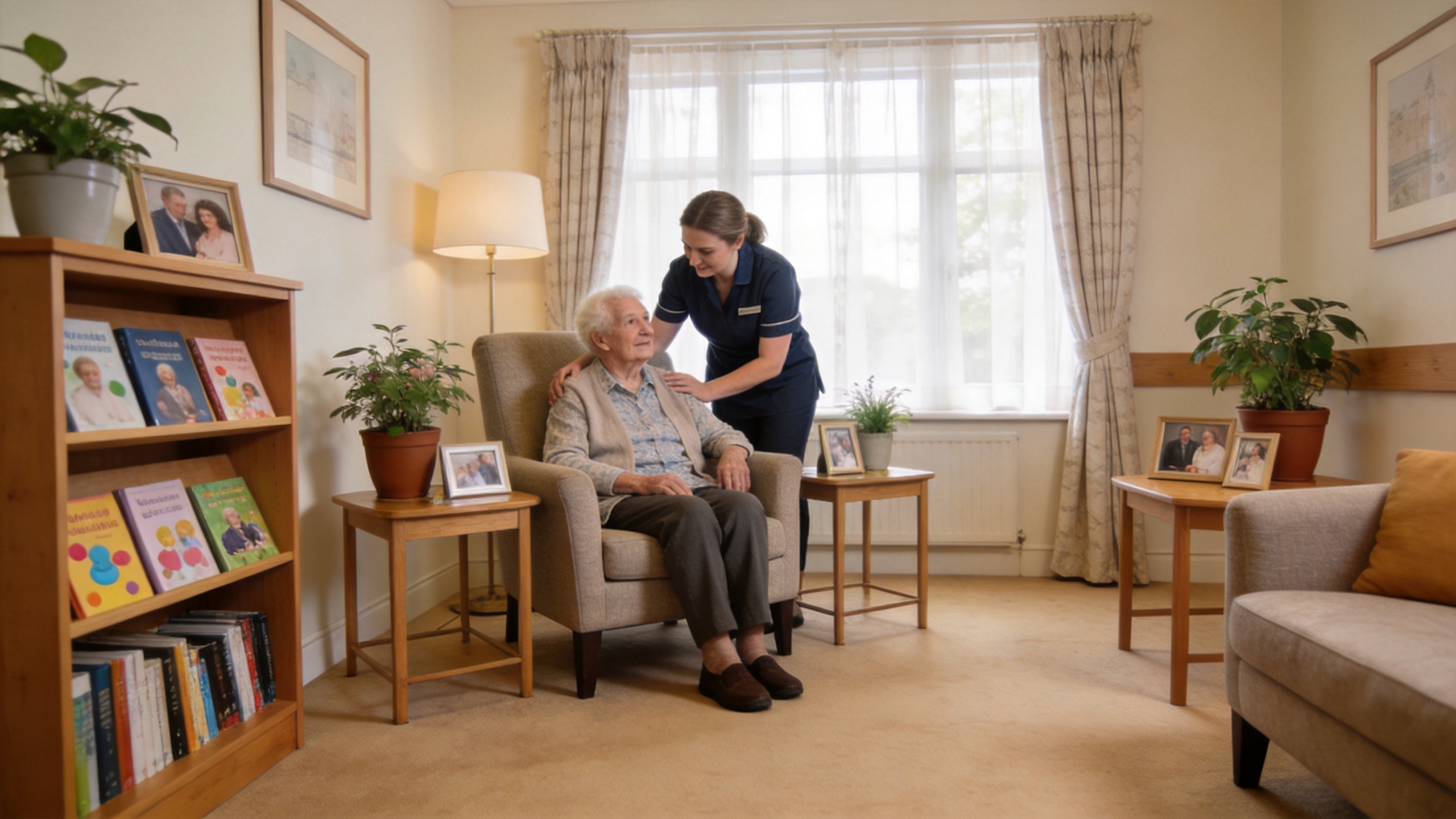
Finding the right environment for a loved one living with dementia is one of the most significant decisions a family can make. When you begin searching for memory care facilities near me, the process requires more than just checking proximity; it demands a deep evaluation of clinical standards, environmental design, and the emotional well-being of the resident.
The Short List: High-Quality Dementia Care Providers
When narrowing down your search, it is helpful to look at established facilities that demonstrate consistent care standards. While geographic location is often the primary filter, the following homes are frequently highlighted for their specific dementia-focused environments and dedicated nursing support.
- Green Park Care Home: Known for its structured environment designed to support residents with varying stages of cognitive decline.
- Lakeview Lodge Care Home: Offers a blend of residential comfort and clinical oversight, ideal for those needing nursing support alongside memory care.
- Somerset House Care Home: Focuses on person-centred care plans that prioritise the individual’s history and personal preferences.
- Belong Warrington: Employs a household model, which is widely recognised for reducing anxiety in residents through smaller, familiar living spaces.
- Hampton Lodge: Provides a secure setting with an emphasis on meaningful engagement and daily activity programmes.
- Hatfield Peverel Care Home: Offers specialised nursing care within a residential setting, suitable for complex dementia cases.
- Whittle Hall Care Residence: Highly regarded for its modern facilities and integration of technology in monitoring resident health.
- Kents Hill Care Home: A well-established facility that provides continuity of care as dementia needs progress.
- Grappenhall Manor Care Home: Focuses on maintaining independence through thoughtful design and staff support.
- Abberton Manor Nursing Home: Provides high-dependency nursing care for those with advanced dementia-related health needs.
- Trentside Manor: Offers a tranquil environment designed to minimise sensory overload for residents.
- The Mill House: Known for its compassionate approach to end-of-life care and palliative support for dementia patients.
Neighbourhood Guide: Assessing the Local Area
When searching for memory care facilities near me, the "neighbourhood" isn't just about the home itself; it’s about the accessibility for family members and the quality of the immediate environment. A home located in a quiet, accessible area often provides a more stable experience for residents who may become easily agitated by noise or traffic.
Consider the following factors when evaluating the location of a care home:
- Accessibility for Family: Can you reach the home easily during rush hour? Frequent, stress-free visits are vital for maintaining family bonds.
- Outdoor Space: Look for homes with secure gardens or "wandering paths." Being able to step outside safely is a major factor in reducing agitation in dementia patients.
- Local Amenities: While the resident may not leave often, proximity to local shops or parks can make the home feel like a natural part of the community rather than an isolated institution.
Picks by Occasion: Matching Care to Needs
Not all dementia care is created equal. Your choice of facility should be dictated by the specific stage of the condition and the level of nursing intervention required. Identifying the "occasion" or the current stage of the journey is crucial.
Early-Stage Support
For those in the early stages, the focus should be on socialisation and maintaining independence. Facilities like Grappenhall Manor Care Home provide an environment that encourages autonomy while offering a safety net of professional support.
Advanced Nursing Needs
When dementia is accompanied by complex physical health conditions, a standard residential home may not suffice. In these instances, you require a nursing-led facility such as Abberton Manor Nursing Home. These settings ensure that clinical needs—such as medication management, wound care, and mobility assistance—are handled by qualified nurses 24/7.
Know Before You Go: The Pre-Visit Checklist
Before you physically tour a facility, you should have a clear set of criteria. Walking into a care home without a plan can be overwhelming, especially when emotions are high. Use a structured approach to ensure you don't miss the subtle details that indicate quality care.
- Staff-to-Resident Ratio: Ask specifically about how this changes between day and night shifts.
- Dementia Training: Don't just ask if they have it; ask how often staff receive refresher courses.
- The "Smell Test": It sounds simple, but a clean, odour-free environment is the most immediate indicator of good hygiene standards.
- Resident Engagement: During your visit, look at the common areas. Are residents sitting alone, or are they interacting with staff and participating in activities?
Staffing and Clinical Leadership
The quality of a care home is almost entirely dependent on its leadership and the stability of its staffing team. High turnover rates are a red flag, as they disrupt the bond between the carer and the resident—a relationship that is critical for someone with dementia who relies on familiarity.
When touring, try to observe the interaction between staff and residents. Do the staff speak to residents with respect, or do they talk over them? A good facility will have a strong, visible manager who knows the residents by name and understands their individual life stories.
- Look for staff who kneel to speak at eye level with seated residents.
- Inquire about the home’s policy on agency staff; a reliance on temporary workers often leads to inconsistent care.
- Ask how the home handles "challenging behaviours." A high-quality home will have a proactive approach to understanding the cause of the behaviour rather than simply medicating for it.
The Role of Environmental Design
The physical layout of a building can significantly impact the progression of dementia symptoms. Many older buildings were not designed with cognitive impairment in mind. Modern, purpose-built facilities, or those that have undergone significant renovations, often use "dementia-friendly" design principles.
Key design elements to look for:
- Wayfinding: Are there clear visual cues (like colour-coded doors or signage with pictures) that help residents find their bedrooms or bathrooms?
- Lighting: Natural light is essential for regulating circadian rhythms, which helps reduce "sundowning" (increased confusion in the late afternoon).
- Noise Control: Soft furnishings and acoustic panels can help dampen the echo and noise that often cause anxiety for residents with sensory processing issues.
Understanding the CQC Inspection Process
The Care Quality Commission (CQC) is the independent regulator of health and social care in England. Every facility listed on this site should be CQC-regulated. Understanding these reports is essential when searching for memory care facilities near me.
When reading a report, look beyond the final rating (Outstanding, Good, Requires Improvement, Inadequate). Pay close attention to the "Safe" and "Well-led" sections. These two areas often provide the most insight into how the home handles medication errors, safeguarding concerns, and staff management.
- Check the Date: An inspection report from three years ago may not reflect the current reality of the home.
- Look for Trends: If a home has been "Requires Improvement" for several consecutive inspections, it suggests a systemic issue with leadership.
- Read the Comments: The narrative sections of the report often contain quotes from residents and families that give a human perspective to the data.
Financial Planning and Transparency
Cost is often the biggest barrier to accessing quality care. It is vital to have an open conversation with the home’s manager about their fee structure. Does the price include all activities? Are there "top-up" fees for specific services?
Before committing, ensure you understand the difference between residential care and nursing care costs. Many homes that offer both will charge a higher "nursing supplement" for those who require clinical oversight. For further reading, consult Common Questions About Care Home Costs to ensure you are fully prepared for the financial commitment.
The Importance of Meaningful Activity
Dementia care is not just about keeping a resident safe; it is about providing a life that is worth living. A facility that offers a robust programme of activities is one that truly understands dementia.
- Personalised Hobbies: Does the home cater to the resident’s previous interests, such as gardening, music, or art?
- Community Integration: Are there links with local schools, religious groups, or volunteer organisations?
- Cognitive Stimulation: Look for evidence of memory-based activities, such as reminiscence therapy, which uses photos and music to help residents connect with their past.
Transitioning and Settling In
The move into a care home is a major life event. The most successful transitions occur when the family and the care team work in partnership. Many homes now offer a "trial period" or a gradual transition process, where the resident visits for the day before committing to full-time residency.
- Bring Personal Items: A familiar quilt, a favourite armchair, or photos from home can make a room feel like a sanctuary.
- Communication: Establish a clear line of communication with the primary carer or the nurse in charge.
- Patience: Expect a period of adjustment. It is normal for a resident to feel disoriented for the first few weeks as they adapt to a new environment.
---
Frequently Asked Questions
How do I know if a home is truly "dementia-specialised"?
A truly specialised home will have staff who have undergone specific training in dementia care, not just general health and social care. They will also have environmental modifications, such as secure garden areas, clear signage, and a layout that promotes independent movement without the risk of wandering into unsafe areas.
What is the difference between residential and nursing care for dementia?
Residential care is for those who need assistance with daily tasks (washing, dressing, meals) but do not have complex medical needs. Nursing care is for individuals who require 24-hour access to qualified nurses to manage chronic health conditions, medication administration, or complex physical care needs alongside their dementia.
Can I visit a care home unannounced?
Yes, you should be able to. While it is polite to call ahead, most high-quality care homes encourage families to visit without an appointment. This provides a more authentic view of the daily life and atmosphere of the home compared to a pre-arranged tour.
What happens if a resident’s needs change while in a residential home?
If a resident’s dementia progresses to the point where they require nursing care, you may need to move them to a different facility or a different wing of the same home that provides nursing support. Always ask about the "continuity of care" policy when you first visit.
How do I verify the current occupancy or vacancies?
The best way to check for current vacancies is to contact the home directly using the details provided in our directory. You can also refer to Dementia Care Homes with Current Vacancies for updated guidance on identifying homes with space.
---
Conclusion
Searching for memory care facilities near me is a journey that requires patience, research, and a clear understanding of your loved one’s needs. By focusing on the quality of staff, the environment, and the clinical support available, you can find a facility that not only keeps your loved one safe but also provides them with a sense of purpose and belonging. Remember to use resources like Finding Local Dementia Care: A Directory Search Guide to streamline your process and ensure you are making an informed, compassionate choice.