
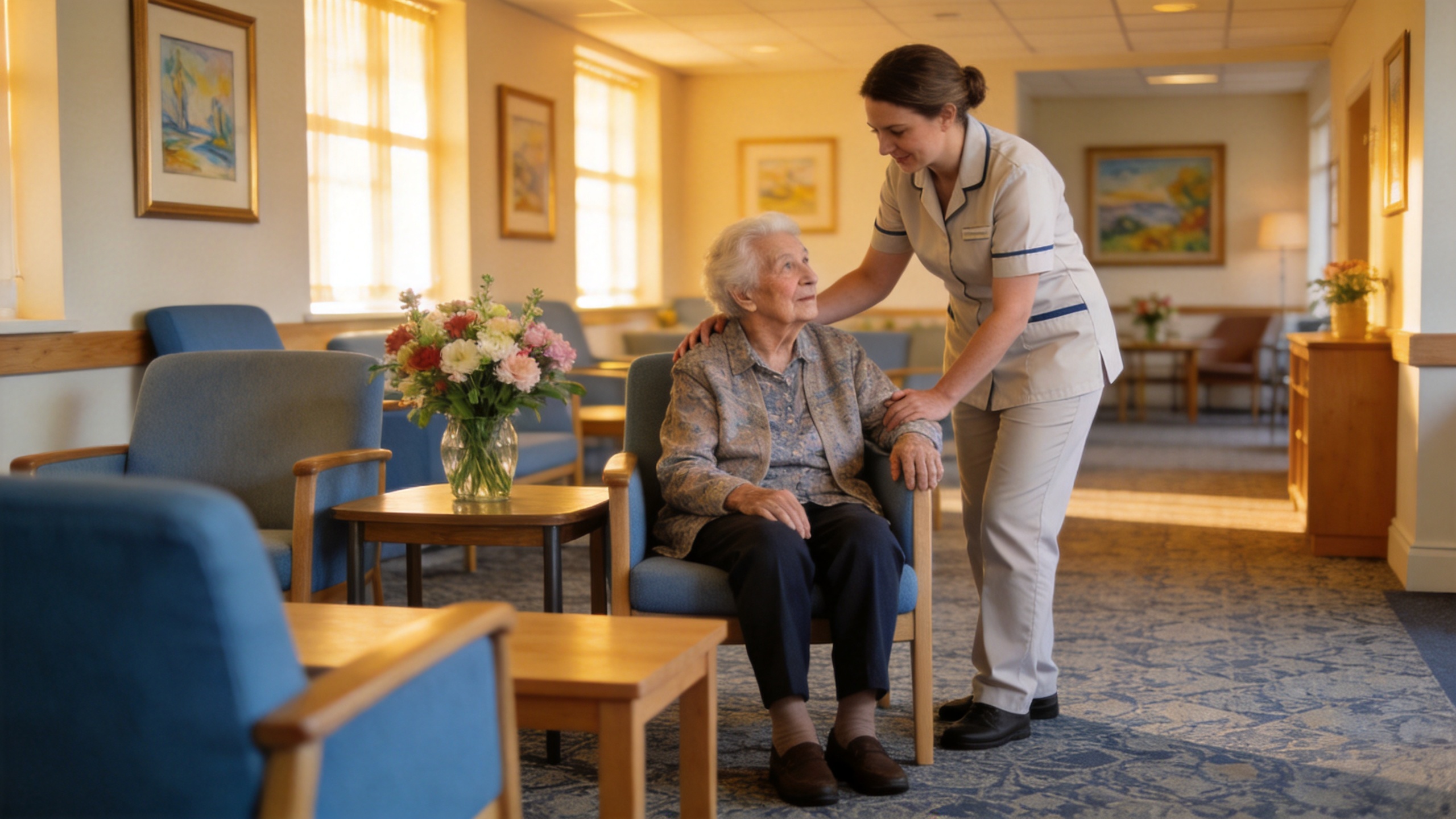
Securing a role in the UK health and social care sector requires a clear understanding of both the regulatory landscape and the practical steps involved in job hunting. This guide provides a comprehensive overview for those seeking employment and visa sponsorship within CQC-regulated dementia and nursing care environments.
The short list: Essential roles in dementia care
The UK care sector relies on a diverse team to maintain high standards of resident wellbeing. When searching for residential care homes near me jobs, you will encounter several distinct roles that vary in their requirements and daily responsibilities. Understanding these roles helps you target your applications effectively.
- Care Assistants: The backbone of the facility, providing daily support with personal care, mobility, and emotional engagement.
- Senior Care Assistants: Often require NVQ/QCF Level 3 qualifications and take on supervisory duties, medication administration, and care plan updates.
- Registered Nurses (RGN/RMN): Essential for nursing-led dementia homes, these professionals manage clinical needs, wound care, and complex health monitoring.
- Activity Coordinators: Crucial in dementia units for designing cognitive stimulation programs and social engagement activities.
- Support Staff: Roles in catering, cleaning, and maintenance that are vital to the CQC standards of hygiene and safety.
For those looking to start their journey, reviewing facilities like Green Park Care Home or Lakeview Lodge Care Home can provide insight into the scale and structure of professional care environments.
Neighbourhood guide: Where to find opportunities
Employment opportunities are often concentrated in areas with high densities of CQC-regulated facilities. If you are specifically looking for residential care homes near me jobs, it is helpful to map out local hubs. Urban centres often have larger nursing homes, while suburban or rural areas may house smaller, specialized residential settings.
- North West England: Facilities like Belong Warrington and Grappenhall Manor Care Home demonstrate the demand for skilled staff in the Cheshire and Warrington regions.
- Midlands & Central: Locations like Kents Hill Care Home and Trentside Manor offer diverse opportunities ranging from residential dementia support to complex nursing care.
- South East & East: Homes such as Hatfield Peverel Care Home and Abberton Manor Nursing Home are frequently seeking dedicated staff to maintain high CQC standards.
Picks by occasion: Matching your career stage
Different care settings cater to different professional goals. Whether you are a student looking for part-time work, a qualified nurse seeking a career change, or an international worker looking for sponsorship, the environment matters.
- For New Entrants: Look for larger groups like Whittle Hall Care Residence, which often have structured induction programs and mentorship for those new to the sector.
- For Experienced Nurses: Specialized nursing homes like The Mill House provide the clinical complexity required to maintain high-level nursing competencies.
- For Career Progression: Facilities like Somerset House Care Home and Hampton Lodge often provide pathways for staff to move from basic care roles into senior or management positions through ongoing training.
Know before you go: Visa sponsorship realities
For international applicants, understanding the Health and Care Worker visa is critical. Not every care home is licensed to sponsor overseas workers. You must verify that the employer holds a valid Home Office sponsor license before committing to an application.
- Sponsorship Requirements: You must have a job offer from an approved sponsor, a Certificate of Sponsorship (CoS), and meet the minimum salary threshold.
- CQC Compliance: Always check the CQC rating of the home. Reputable employers are transparent about their compliance and inspection history.
- Verification: Use the official government register of licensed sponsors to confirm an employer's status. Never pay a fee to an employer to secure a job offer, as this is illegal.
Navigating the CQC and regulatory standards
Working in a CQC-regulated home means adhering to strict standards of care. As an employee, your role is to help the home maintain its rating. Familiarize yourself with the "Fundamental Standards" set by the Care Quality Commission, which govern safety, effectiveness, and leadership.
- DBS Checks: All staff must undergo an Enhanced Disclosure and Barring Service (DBS) check.
- Continuous Training: Dementia care is a rapidly evolving field. Employers are expected to provide training in person-centred care, safeguarding, and dementia-specific communication techniques.
- Documentation: Accurate record-keeping is a mandatory part of the job to ensure continuity of care and regulatory compliance.
Strategies for your job search
When searching for residential care homes near me jobs, move beyond generic job boards. The most effective way to find vacancies is to engage directly with the homes you are interested in.
- Direct Inquiries: Visit the websites of local homes and check their "Careers" pages directly.
- Local Networking: Attend local job fairs or care sector recruitment events in your region.
- Professional Profiles: Keep your CV updated with specific references to dementia care skills, such as experience with challenging behaviours or end-of-life care.
Skills that stand out in dementia care
Beyond formal qualifications, certain soft skills are highly prized by care home managers. Because dementia care is emotionally demanding, employers look for resilience and empathy.
- Patience and Communication: The ability to communicate with residents who have varying levels of cognitive impairment is essential.
- Teamwork: Care homes operate 24/7; your ability to work effectively during shift handovers is vital for resident safety.
- Observation Skills: Identifying subtle changes in a resident’s health or mood can prevent emergencies and improve quality of life.
The importance of specialist training
If you want to advance your career, focus on specialized dementia training. Employers are much more likely to hire—and sponsor—candidates who have completed courses in topics like "Dementia Awareness," "Managing Behaviours that Challenge," and "End-of-Life Care."
- NVQ/QCF Levels: Pursuing Level 2 or 3 in Health and Social Care is the industry standard for career growth.
- Certifications: Look for recognized training providers that align with Skills for Care standards.
- Internal Growth: Many homes offer to fund these qualifications for permanent staff as part of their retention strategy.
Frequently Asked Questions
Do I need a degree to work in a dementia care home?
No, you do not need a degree to work as a Care Assistant. Many entry-level roles provide on-the-job training. However, to work as a Registered Nurse, you must have a nursing degree and be registered with the Nursing and Midwifery Council (NMC).
How do I know if a care home offers visa sponsorship?
You must check the official UK government register of licensed sponsors. A care home must be on this list to legally sponsor international workers. Always confirm this status during the initial interview stages.
Are there part-time opportunities in dementia care?
Yes, the care sector is highly flexible. Many homes offer full-time, part-time, and bank (zero-hours) contracts to accommodate different needs, including night shifts and weekend work.
What should I look for in a job offer for a care home?
Ensure the offer includes a clear job description, salary details, shift patterns, and information regarding training and support. For sponsored roles, the offer must meet the Home Office salary requirements for the specific job code.
Can I transition from a different industry into care?
Absolutely. The care sector values transferable skills like patience, communication, and reliability. Many employers provide comprehensive induction programs for "career changers" who have no prior experience in social care.
How do I check if a home is reputable?
Always check the official CQC website for the home's latest inspection report. A reputable home will be transparent about its rating and welcome questions about its care philosophy and staff support structures.
Conclusion
Finding employment in the UK dementia care sector is a rewarding pursuit that offers genuine career progression and the chance to make a tangible difference in people's lives. By focusing on CQC-regulated environments, verifying sponsorship status, and investing in relevant training, you can build a stable and impactful career. Whether you are just starting or are an experienced professional, the demand for high-quality care staff remains robust across the country.
For further reading on navigating the care landscape, we recommend reviewing our guides on Finding Local Dementia Care: A Directory Search Guide and Understanding Dementia Care Homes: A Complete Guide.